
One profile is easy. Ten locations is where problems compound: duplicate listings, mismatched hours, copy-pasted descriptions, wrong categories on outlier stores, and staff turnover that leaves half the profiles unmanaged. Google's local algorithm treats each location as its own competitor, so 'my brand ranks well' is not the same as 'every location ranks well'.
This is the practical multi-location playbook for 2026. It covers bulk verification, NAP consistency, per-location differentiation, duplicate cleanup, and the reporting rhythm that keeps a portfolio healthy.
Set up bulk management the right way
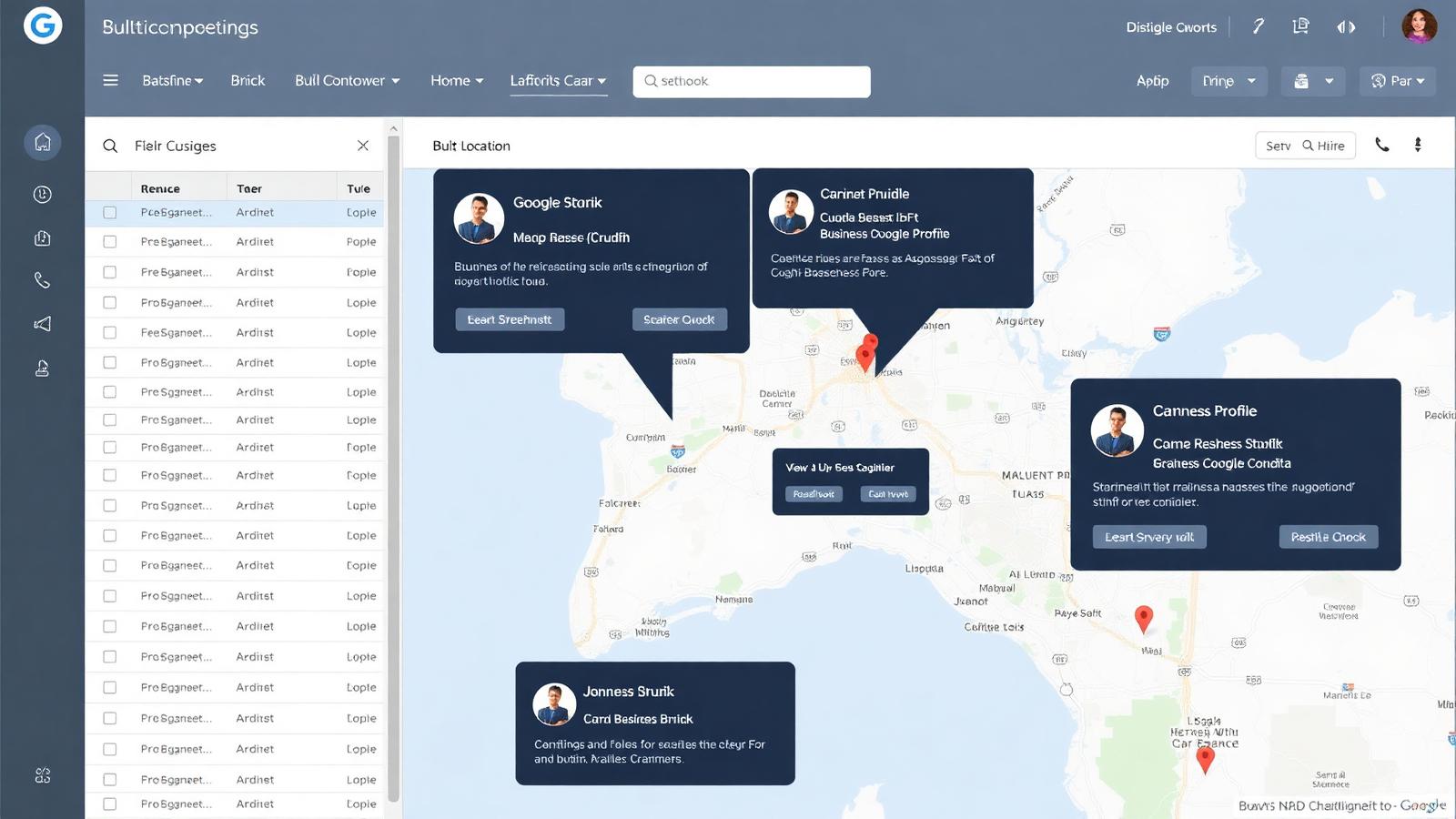
- **Build one master location spreadsheet.** Store name, address, suite/unit, phone, categories, hours, holiday hours, services, and manager contact. This becomes your source of truth for every platform, not just Google.
- **Use a Business Profile group / organization.** For 10+ locations, request bulk verification. You upload the spreadsheet, Google validates, and you avoid postcard-verifying one at a time.
- **Assign clear owner roles.** One primary owner per brand (usually corporate), managers per region, site managers per location. Never share a personal Google account across locations.
- **Standardize naming.** 'Brand Name, Neighborhood' or 'Brand Name (Street Name)' is fine; 'Brand Name #4728 - Best Coffee In Town' is name-stuffing and can trigger suspension.
- **Lock the spreadsheet.** Any location change flows through the master sheet first, then out to Google, Apple Maps, Bing Places, and directories. Never edit platforms directly.
NAP consistency: the invisible ranking tax
NAP stands for Name, Address, Phone. When these vary across Google, your website, Apple Maps, Yelp, industry directories, and social profiles, Google's confidence in the listing drops, and confidence is a ranking input. Multi-location brands leak the most confidence because they have the most surface area to keep in sync.
- **Name:** identical everywhere. No 'LLC' on Google and 'Inc.' on Yelp. No 'St.' vs 'Street'.
- **Address:** identical formatting, suite numbers included, no P.O. boxes for storefront listings.
- **Phone:** local number (not a national call-center number) whenever possible. National numbers reduce local relevance.
- **Website:** each location links to its own location page, not the homepage. Location pages should have unique content, not templated copy-paste.
- **Hours:** update holiday hours in bulk 3-4 weeks before major holidays.
Differentiate each location, do not copy-paste
Google's algorithm quietly penalizes identical content across sibling locations, especially the business description and services section. Every location should share brand consistency but include location-specific signals: neighborhood name, nearest landmarks, local staff, real interior photos, and reviews mentioning the actual site.
- **Business description:** 60-80% brand template, 20-40% location-specific (neighborhood, community, staff intro).
- **Photos:** minimum 10 unique per location. Do not reuse hero photos across sibling stores.
- **Services:** same service list, but per-location pricing or availability where honest.
- **Posts:** publish location-specific posts, not one corporate post duplicated across every profile, Google can filter duplicated post content.
- **Q&A:** seed and answer at each location. Do not paste the same eight Q&A across all sites.
Duplicate listings: find them, then merge or remove
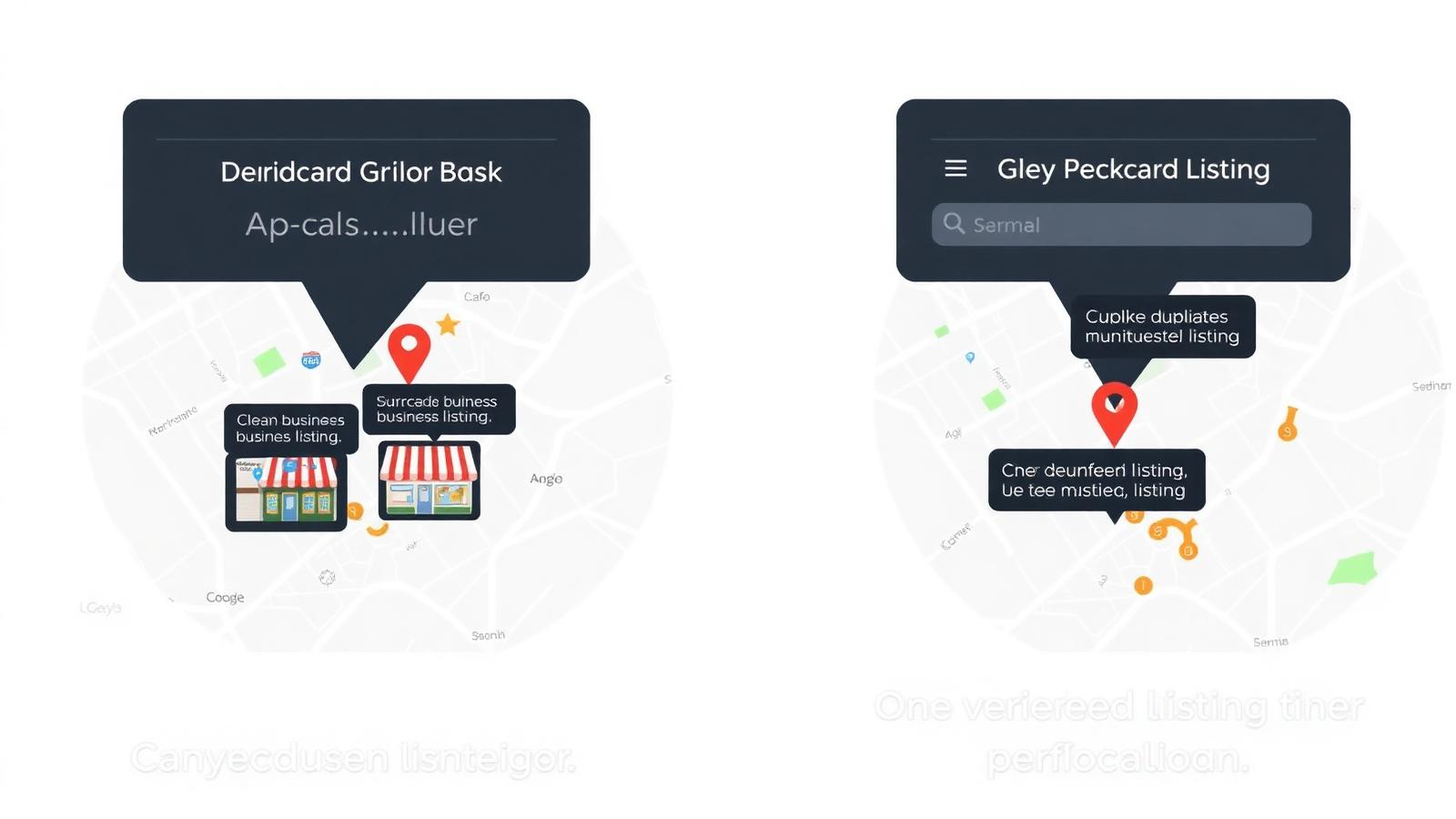
- **Search each location's name + address in Google Maps.** Note any duplicates, unclaimed listings, or old suite numbers still surfacing.
- **Claim, then merge.** For duplicates you own, claim the second listing and request a merge into the primary. Reviews often (but not always) migrate.
- **For unowned duplicates, use 'Suggest an edit' → 'Close or remove'.** Mark them as 'Duplicate of another place' and link the correct listing.
- **Old-address ghost listings.** If a location moved, do not delete the old listing, update its address and let Google carry the review history to the new location.
- **Franchise / dealership duplicates.** These often come from an unauthorized third-party creating a listing at the corporate name. Report them and escalate through your Business Profile group manager.
5 multi-location mistakes that cap the whole portfolio
- **One phone number for every location.** A national 800 number tells Google the locations are less local. Use real local numbers.
- **One landing page for every location.** Homepage-linked locations rank worse than locations with unique per-location URLs and content.
- **Copy-paste business descriptions.** Identical text across sibling profiles reduces trust and can be filtered.
- **Ignoring outlier locations.** The bottom 20% of locations usually have the most Q&A abuse, the most fake reviews, and the worst photos, and they drag the brand average.
- **Never doing a duplicate sweep.** Duplicates accumulate over time from moves, remodels, and third-party creations. Sweep quarterly.
The monthly and quarterly rhythm
- **Weekly:** review new reviews and Q&A per location. Reply within 48 hours.
- **Monthly:** publish 1-4 location-specific posts per location. Refresh photos on the bottom-performing 10% of locations.
- **Quarterly:** run a full NAP audit across Google, Apple Maps, Bing Places, and top directories. Run a duplicate sweep. Refresh business descriptions on any location that has not been touched in 6+ months.
- **Annually:** re-audit categories and services across the portfolio. Google adds and renames categories every year.
Frequently asked
Q.How many locations do I need for bulk verification?
Google's bulk verification is generally available for brands with 10 or more locations under a single legal entity. Below 10, individual verification per location is the standard path.
Q.Can each location have its own reviews?
Yes. Reviews are always tied to a specific location profile, not a brand. That is why duplicate listings are so damaging, they split reviews and confuse both customers and Google.
Q.Should each location use a local phone number?
Whenever possible. A local number strengthens local relevance signals and increases the chance of appearing in nearby search results. National call-center numbers tend to reduce local ranking strength.
Q.Do all locations need unique website landing pages?
Yes. Each location should link to a unique URL with location-specific content, not a shared homepage. Templated pages with only address swaps are a common cause of stalled local rankings.
Q.How do I recover a suspended multi-location group?
Do not create new listings to replace suspended ones. Submit reinstatement requests through the affected Business Profile group, provide proof of business legitimacy per location, and wait. Duplicate creation can escalate the suspension.
Multi-location SEO is not about clever tactics. It is about clean data at the source, consistent execution across every profile, and a rhythm that catches drift before it becomes a portfolio-wide problem. Brands that run the boring monthly rhythm outperform brands that chase every new local SEO trend.